
jason cohen on hidden multipliers
Fridgeside! jason cohen on how to find "hidden multipliers" and scale without burning out
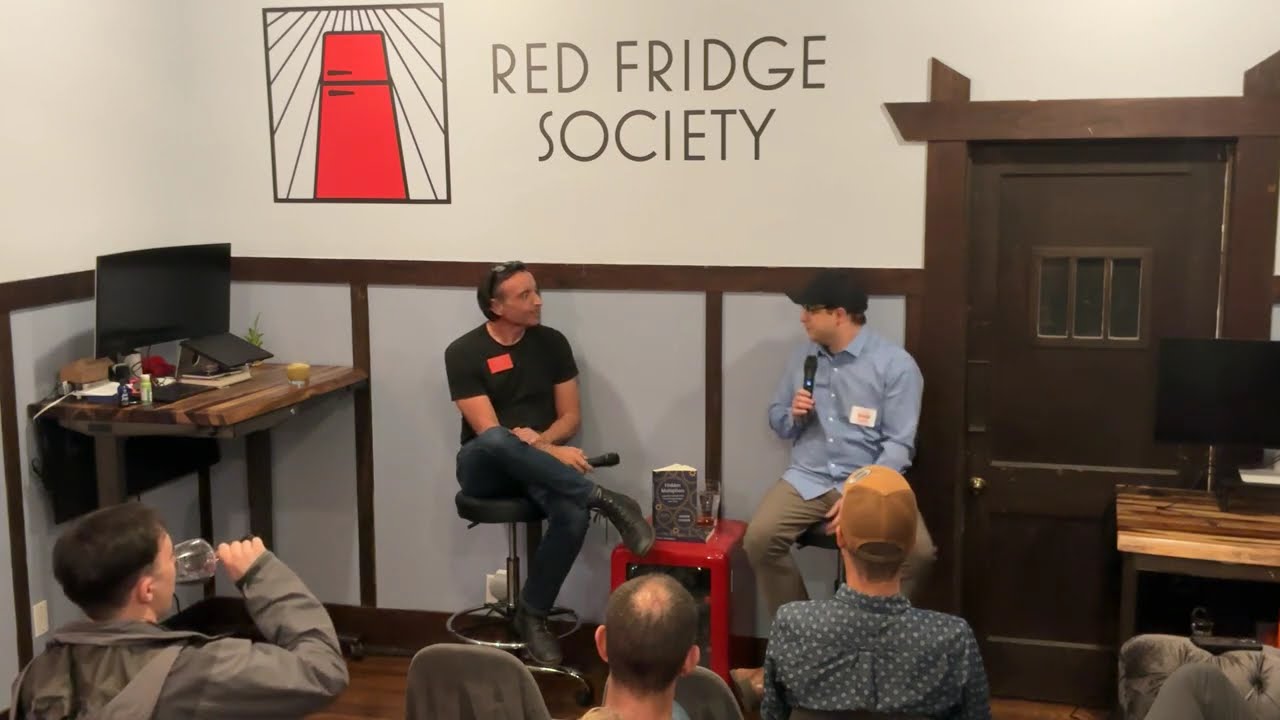
jason cohen—austin native, founder of smart bear and WP engine, and author of hidden multipliers—sits down for an unfiltered Fridgeside! chat on building companies without losing your soul (or your sanity).
jason breaks down why he intentionally fired himself as CEO of WP engine after four years, the "joy, skill, need" trap that burns out founders, and how to make high-stakes decisions when AI makes the future impossible to predict. plus, he shares stories from the early days of austin's tech scene, why he open-sourced his new book's frameworks as free AI skills, and the exact "box game" math behind knowing when to sell.
a Fridgeside conversation with jason cohen (founder, smart bear and WP engine), recorded live at the Red Fridge Society, a private founder community in downtown austin on november 10, 2026.
takeaways
- jason stepped down as WP engine CEO after four years because he preferred engineering and product work to managing people.
- his joy, skill and need framework: work you love and are great at becomes a trap if the company doesn't actually need it.
- his box game shows why a sure, life-changing sum can beat a bigger gamble: expected value misses what actually matters to people.
- hidden multipliers are 99-to-1 leverage, and he released the book's frameworks as free AI skills on github, no email required.
chapters
- 0:00 growing up in austin & how austin’s "weird" culture compares to company culture (the ship of theseus)
- 7:08 how 18 years of blogging forced clarity of thought—and the painful lesson learned at smart bear
- 11:10 why jason stepped down as WP engine CEO and hired heather brunner
- 13:07 the joy, skill, need venn diagram (and why hitting 2 out of 3 is a dangerous trap)
- 18:04 the ego check from kip mcclanahan that finally made letting go of the CEO title easy
- 20:14 leaving WP engine after 15 years, college tours, and starting a zero-monetization founder podcast
- 29:32 what hidden multipliers are (99/1 leverage) and why jason released the book's frameworks as free AI skills
- 35:59 the future of austin tech, CPG, and why human creators are "AI-proof"
- 42:34 audience Q&A: the "box game" (rich vs. king), finding your ideal customer ("carol"), and finding your voice as a writer
transcript
from YouTube's automatic captions, so expect the odd misheard name. tap a time to play from that point.
0:00 growing up in austin & how austin’s "weird" culture compares to company culture (the ship of theseus)
about that. we're here to talk about jason and his illustrious career all in austin. you can't really talk about austin entrepreneurship without jason's name coming up because first of all he was born here which you know he's had two unicorn companies but that's like the definition of a unicorn to find anybody of our age that's actually uh been been [clears throat] born and >> not only was i born here but my when my my parents were in la mar's class with another family with several other families but they got friendly with another family and so they both had their kids together. that was me and david street and there is david street's brother andrew street who has his own uh company now for what 10 years or something. anyway, 15 so anyway okay there you go. so yeah austin born and and uh connected in here. >> wondering how you guys met. i did not know it was almost in utero. >> literally literally in in a as as zygotes. >> yeah exactly. so uh but yeah so let's yeah so we're uh most of my Fridge side chats if yeah most of my andrew andrew stop it. andrew uh we do a stand-up night here and andrew was one of our first ever stand-up comics. uh you have to be a founder to be on stage and a founder to be in the audience and uh we are going to do another one of those pretty soon. it's going to be q1 we'll do another.
1:15 those are those are always a ton of fun. so um but yeah let's so let's let's uh oh yeah so story arc of the night typically what i love to do is just a little bit of kind of you know the uh founders are superheroes in my world so origin stories are always fun so we'll go way back austin and you know back in the '80s and '90s when uh we both started working in the the tech scene and then we'll uh talk a little bit about what the kind of mission and purpose and what jason's doing now and we'll talk about the future of austin entrepreneurship. in the middle we'll talk a little bit about his new book that just dropped that may or may not be sitting here in between us. so so yeah so born here went to UT started your first company at UT. so a just tell us a little bit of like what was austin like back in what were UT in the 90s i would assume. >> yeah, late 90s it it was like 2000. uh, so you can know what that was like. >> yeah, but obviously i moved here in 95 so yeah it was uh it was no no buildings taller than the capital back then. >> but you already know the story like yeah austin's grown so much since then especially when we were kids. i remember when i was growing up mopac turned into a dirt road at steck. >> exactly. >> yeah, like anderson lane was the end of the earth and beyond that you fall off the turtle. >> yeah, no when [laughter] i i first my first office was off 360 by pennybacker
2:30 uh and you you literally you're like why is this road here? right this road this there's there's a four lane road and nobody on it now. but they don't want to hear about that stuff. so i think what's nice about austin is it was pretty strong during things like even even when the bubble burst there were still other things going on and then especially during 2007 2008 i mean it was hard like our real estate market barely dipped. it's just been strong cuz people kept moving here just cuz it was worse elsewhere so they come here and you know especially from california, new york etc chicago. and uh people are laughing cuz they're from that those places and and which proves the point and and so um but i think that makes austin strong. now one thing i i i do miss is austin was weirder before. and so i do miss that so i don't mind like oh there's traffic and there's and and there's this and that that's okay like we're getting bigger and we also have better restaurants and we also have better lots of things so um i don't want i don't mind the whole like it's not like it was but one thing i wish it was was the weird because that's the culture of austin and that's the part i don't want to change. in fact that's what culture is even in a company. it's the bits and pieces that don't change even when everything else changes and sorry i know you wanted me to talk about my history but like to me it's boring but [laughter] but for me culture is not boring at all in companies too and i know eugene is here and will back me up on this. um but but uh to me it's like the ship of theseus you know this where the ship leaves it it
3:47 depends on who [clears throat] you ask. london but but like it leaves and it goes around the earth and it while it does that journey everything changes that all the boards rot and get replaced and okay so everybody knows this. so when it gets back the question is is it the same ship? cuz on the other hand everything's changed on the other hand, they something went around the earth. and so that's a fun question. and so to me, there's an answer to this in a startup because the startup's the same way. you start it and then there's people there and those people change over and you have a yes you think you know what you're doing then you do something else. like no one thing like a process or the a feature in the product or even a person is the company. that's not what the company is. but what is it? so to me, it's a ship of thesis theseus type of thing. so what the culture is and and eugene will will correct me if if he doesn't like this is is uh it's the values and things that are the same during the whole trip and that's the thing that went around the earth. that's the journey. that's really what it is. not any one tactic or person but that that's what it is. so now a good question is do you know what it is? do you know what your what those are for your company so you know what you are, what it is even though all these details will change. just like we're people and all our cells turnover but we're still us. how do we know that? i don't know. the way we act, our our values may be uh i don't know. it's a good philosophical
5:02 question of what is it but that's to me that is important about a company cuz that's what it is. that's the whole point. and so austin part of austin's culture to me is the keep austin weird of your which isn't just that people do weird stuff. it's it's like this acceptance and of that and a celebration even of being different in those fun ways like man everyone's different. we used to go to these you know music festivals and not even festival just like a whatever and everyone like there's a guy in a suit and there's a guy in a cowboy outfit and there's a guy wearing i don't know what that is you know. it's like this is what's great. we're all just enjoying this. isn't that great? so i miss that. i think that part is is diminishing and that's what that's the one thing i want austin to still have. >> yeah i mean i i i think austin's kept its soul pretty well like through you know i moved here in 95 and i i think what's happened is i think all those i think as a number of people that are still weird it's at least as big right maybe as a percentage is going down because we have you know all those normal people from california moving in uh and new york but but i i do feel like austin's kept its soul pretty pretty pretty well through through all the growth and the attitudes and and the balance right so much and we could talk all day about comparing us to silicon valley and what's great about this place and but but but i i think austin has kept us pretty well. we're we're still plenty weird compared to any other city of our size. like like you know i
6:17 you know so you take the good with the bad and the restaurants are way better. yeah. we had both types of cuisine back in the '90s which was tex and mex, but now now it's gotten now it's gotten uh now it's gotten a little better. so so uh so tell us uh yeah i'm not going to go through your whole history of companies cuz i i really want to go on to kind of what you're doing now in the book and why you're doing it, but but tell us the story from either the early days when you bootstrapped your first two companies or uh going through WP engine that kind of most turned you into who you are today as you know i mean you you're almost i would say a uh philosopher of if you anybody that follows jason on linkedin which you certainly should i don't do x. i'm sure you're on x as well. but uh uh just you just you're like the tidbit king of of little tips and tricks of of things to do for the company. so how did you how did you get there? tell us a story of a little bit about your your your startup life in those you know first 10 years.
7:08 how 18 years of blogging forced clarity of thought—and the painful lesson learned at smart bear
7:09 >> well the way i did that is i just wrote the whole time. i've been writing these articles for 18 years. you can go back and read the old ones. they're much worse. that's okay. that's what it looks like. that's what it looks like. your ideas are not as good. they're pretty derivative. your writing style sucks. and then you get better and yeah. so i just did it for a really long time. and it's true that when you write you have to figure out what you actually think otherwise you can't write it. so that's good cuz half the time i thought you know i don't know what i think or maybe i disagree with what i thought i thought. and so i have drafts everywhere of like not good enough or i don't i don't really understand. so when you have a gate like that it helps you think and so you know over decades then maybe i get you get better at it. and this is my best work. i'm not it doesn't matter if you buy a book or not. it's okay. but anyway that i enjoyed working on that for a year and a half and the culmination of all that. um but okay so so what did i learn in those early days? i mean it's it's hard to pick out a thing. i would say one thing i learned at at at smart bear is the value of culture because we didn't well i was going to say we didn't have one. that's not quite true. all companies have one, but did you pick it? so, i didn't. and then i became very unhappy there, um but didn't know that. i just figured this is what you do. it's hard. you just do a startup and startups are hard, so that's what that's it. it's the end of the story. not realizing like yes, but that's not the only thing that can happen and you
8:24 can work on that and so on. so, when i had an opportunity to sell it, i did. and i got a good valuation for it. like it's all fine. um but in retrospect, i realized uh oh um i i built it's funny cuz you build a company in order to i guess build i don't want to say a lifestyle, but a life and make money and all this kind of stuff. that's why you did it. and then you build the thing that you don't like. you don't like running it. you don't like going to work. and that's how bizarre is that? i could have just worked at dell. and so okay, maybe >> or you can get trapped, right? i mean there was a couple years there where i was literally trapped by my own company. my entire net worth was buried in it. i felt like probably not true. i felt like i was the only person that could run it. and uh yeah. >> might have been, but that's your own fault, right? so, that that's the kind of thing i didn't understand it. so, that's what i learned. it's like oh i i maybe i did make that kind of company, but i could have made a different one or i could have done a different thing. i had different choices that i didn't even realize i had those choices. so, i don't want to harp on on on culture all night, but that's one of them. but also these things there's lots of possible futures. i didn't i didn't really think about that. and uh i find that all the time now when i talk to entrepreneurs, which i do all the time through things like my uh podcast and just in general on because i'm online a lot. and often it's like people like well, i know i probably should do x, but i want to do y. what should i do? and it's like what about a, b, c, d, e, and f? and
9:39 they're like i didn't think about that. i'm like i know and i don't blame you, but like that's the point is remember first you find all the possibilities and then you figure out what which of these should i do. that's the better way, you know. um so, i didn't know that at uh or at smart bear, so i i lost that. but fortunately at i learned i did learn those lessons. so, we had an amazing culture and it was intentional. and i wasn't the CEO after after 4 year i was for 4 years, but then i wasn't on purpose and we can talk about that >> talk about that talk about that transition too like cuz i mean i yeah cuz i mean i know heather from the days yeah. >> me >> like where should i be? what should i be doing? and realizing like oh not this. and that's okay and etc. and i i'll tell you i'll i'll i'll tell you that story with no problem. um but uh so there's it's not even the tactics. like of course you learn things like oh that's how that legal thing goes or that's how that's taxes or how do you do payroll. of course but that's not that interesting right? um uh another thing i learned is that you just never know what customers want and it changes all the times so you got to be talking to them all the time. and with a um and and and just talking isn't good enough. you have to be like have a directed sensible way that you interview customers to learn. and i there's a article online for free so you don't have to buy it. it's also in the book but you don't have to read get the book. you can go online. and that i think is really like i did that i
10:55 i mean maybe six to eight times a year at WP engine. like i mean i just never stopped doing this. this is how i figured out what to do. so um again i kind of learned that at at smartbear. so that's another thing. um okay so so you why am i why was i not the CEO of WP engine? so just to be
11:10 why jason stepped down as WP engine CEO and hired heather brunner
clear WP engine started in 2010 so it's 16 years old or almost 17 cuz i started in january. and um uh about four years in um i hired heather brunner who if if you for those of you who know her you're just going to be going like oh my god she's the she's the biggest badass you've ever seen. she's so awesome. um good story about her um she she was at bizarre voices the COO and so we couldn't talk about the fact that she was even talking to us cuz that's illegal cuz it's insider trading to know that an executive at a public company is doing that. so finally we had hired her and they'd fire filed what's called form d which is this thing that sort of just declares to the world that she's leaving bizarre voice and now it was legal for me to say. so it was the first time it was legal for me to say. and i was talking to um to uh i'm not going to say his name just in case he doesn't want me to but i was talking to a guy at a capital factory and i was like oh i knew he knew um heather so i was like oh hey heather's going to be our CEO. and he grabs me by the arm like holds on to me and he goes listen you already know heather's going to crush it like she's amazing and she's like, like i'm like, i know. why are you bodily, you know, manipulating me? and he, and he, and he goes, but what you don't know is heather's my favorite person. and if you ever do anything to hurt her,
12:25 and it's like a big brother like, you know. >> this her dad? yeah, is this her dad working at capital factory? >> so, anyway, that that's that was funny. so, so, so, anyway, that but that's who she is. she's of course she's great professionally, but also she's this great person. and there's a couple of people in this room probably who know her who would would immediately agree. so, first of all, that's a pretty easy decision then. that sounds like a good person. but even so, it's hard as a founder to say i don't want to be the CEO or someone else will be or i'm advocating everything. >> started way before you found heather, i assume, right? >> that's true. but but then even so, so, okay. so, the way i i came to this decision eventually, and i'm condensing four months, cuz this is hard. the answer is it's hard and confusing. but
13:07 the joy, skill, need venn diagram (and why hitting 2 out of 3 is a dangerous trap)
13:08 the way i finally found it was in retrospect, i guess it's kind of a form of ikigai-ish. but anyway, i i figured this thing out which i i used ever since and told the company when we made this transition of there's things you're good at, which i call joy, things you're good oh, sorry, things you love, which i call joy, things you're good at, which i call skill, and things the company actually needs you to do, which i call need. so, joy, skill, need. and then, of course, the stupid obvious thing is you should find somebody that's in the middle. like yes, but here's the here's the actual insight is that when you have two of the three, it feels good and you think you're doing good and you're not. this is the insight. so, if it's joy and skill but not need, this is when you're in the flow, especially developers do this. they're like, it's fun to write code and also AI. and so they they they just they go in the in the zone for 10 hours. they forget to pee, right? and it's really fun and it's and it is productive. it's good. that's why it feels good. but the company didn't need you to do any of that. they need you to go sell, right? and so that's why it 's a trap cuz who's going to tell you to do that? i'm my own founder. no one can tell me i know. so, it's a problem, right? and i'm not saying you should get a board to tell you what to do, but also it's a problem, right? so, anyway, that's a trap. that's one trap. so, another trap is things that are fun, joy,
14:23 and the company needs, but you're no good at it. so, like the example i have to give here is uh oh, we should advertise. i don't know anything about advertising. maybe i should hire someone. oh, but i can't hire someone cuz i don't know how to do it. the only way i know how to do that is i know how to do it first because you don't realize like you're worse than most people at most things. but somehow you think if you do it for a month, now you're better than most people because you're a founder. that's what you think. i think that too. but all it means is no, you don't. you're just wasting a month, right? so, you say i'll figure out adwords, so you go do it cuz it's fun to learn a new thing and the company does need to have some you know new channel or whatever it need. and so you do it for 3 months and fail and you're like adwords doesn't work or something like that. and the answer is no. if the company needed it that badly, we didn't need you to do what you think is fun. we needed someone who was good at it. cuz the company needed it and that's your job is to find someone who's good at it to do it. and you didn't do that. so, you didn't do your job actually. so, that's a trap as well cuz it and it it feels good because the company needs it and it's fun. so, you know. and you have this delusional idea like you know more than half of the people think they're good drivers. you know that kind of delusion. you have that about everything if you're a founder. and i do too. i say you. okay, me. i have that and i assume you do too. and you're right sometimes. that's the problem. intermittent reinforcement's a anyway, so um so the last one is if you have skill
15:39 and the company needs it, but you hate it. and this is burnout. the company needs it and and often we say like i'm a servant leader. i don't want to put this on anyone else. i'll do it. you know like the martyr, right? but you hate it and you resent going to work and it's no good. and but it it feels good because you're doing what needs to be done, you know. again, all this stuff is okay temporarily, but this isn't a permanent state of fulfillment and happiness. maybe leave happiness aside, just fulfillment and and and sustainability. so, anyway, that's what i was doing at smartbear. i was there. i'm good at this stuff and i don't like it. right? so, at smartbear what what or sorry, at WP engine what was, um, i got to the point where this time i'm smarter and this time i realized like, okay, the CEO role, we were at around 50 people and growing really fast. like we went from 1 to 5 million in 1 year. then we went from 5 to 15 in 1 year. then we went to 15, you know. so we were just growing like this. and so very quickly the organization is growing and we're changing and the needs are changing. and i hate people and people management. like i hate that stuff and that's all it is. >> he loves you guys, but everybody else. yeah. >> not really. not really. and and so so i there's it was awful. so i'm just like, okay, it is fascinating to me what's
16:55 going on, but i hate it. and so i like, you know, engineering and products and i like writing my little blog and and and so i don't want to do this stuff where we have to hire and manage a global sales team and hold them to the feet to the fire. i don't want to do that or and support where we we want to bring our our culture and our our emotion, but mix that with metrics and stuff too cuz we've got to get stuff done. and how do you mix that and we've got to hold them accountable to both. so i'm like, yeah, yeah, yeah, that. can someone else do that? [laughter] you know, i don't know. i don't even like it. i don't know how and i don't like it. and so what i finally figured out is like, man, the business needs the need needs all this stuff which either i don't like or i'm not good at or probably both. for most of the stuff, not some. some is like the engineering and product stuff. well, i i am good at that and i like it. that's what i should be doing. i should be CTO, not CEO. and later on i was the head of product, not CTO. and later on and later on and i did that every like 3 or 4 years. not not because there was a clock, but just it turned out every 3 or 4 years like, oh, you know what? now we have 400 people. now we have 1,200 people and now it's just different. and so maybe now i should be doing this cuz it's different. that makes sense. so i was seeking this thing and so i that's how i came to the intellectual decision. but the way i came to the emotional decision of is of
18:04 the ego check from kip mcclanahan that finally made letting go of the CEO title easy
18:05 course different because emotions don't respond to thinking. what happened was i was with uh kip mcclanahan, who was our silverton board member, um, and we were at wink in the bar there. and um we were sitting there and we were talking about heather and talking about all the stuff. and he could tell i was like, i knew we we should do this, but i was, you know, reticent still. he could tell. and so, because kip himself was a founder if people don't know that. he's not just a VC, he's also a founder and the CEO of a public company, all this stuff. so he understands. and so it's part of why silverton was great. it was all the above. and uh he goes uh hey so uh i know what you're thinking. i said what? and he goes 10 years from now we're going to be ringing the bell on the nasdaq and you want the credit. and i'm like as horrible as that sounds, it's your right. and then he goes uh you're the founder, you'll always get the credit. i was like oh yeah. oh yeah, i forgot. and he was right. so look, of course that's it's egotistical, it's shallow. i know that. i i know. it is what it sounds like, but but on the other hand, is that so bad? like is it so crazy that a founder also is
19:21 caught up in the thing and wants that to do well and wants and wants some credit? i mean you're taking on the risk of going wrong. don't you want like to be celebrated if it goes well? like that's not crazy. you know, and it's not, you know, if that's all you want, i don't know, maybe that's not healthy, but if that's part of the equation, that's not i don't know, it's not wrong, it doesn't make you an evil person. i don't think. i mean not, otherwise i'm a bad person. >> right? i mean i mean you i mean your your blog is still smart bear, which was your, you know, two companies ago, right? and it's like yeah, it's like very much comes wrapped up in your identity. >> to hear that to realize like oh wait, i'm going to get all that nice shallow selfish stuff. i'm going to get it anyways. i don't need to be the CEO. heather can do all the work. no. so uh so so that's what emotionally got me past that barrier of like oh yeah, i get all that stuff anyway. i needed to hear that at that time. >> well and then, i mean we'll to wrap up this to get to what you're doing now. no
20:14 leaving WP engine after 15 years, college tours, and starting a zero-monetization founder podcast
20:15 no no, but but to get to your then you made another one. you left. so you're not there at what 2024 you left completely. so tell us about that emotional decision and and you did that as well. >> yeah, i was i just got the hell out of there after only 15 years. clearly there was no reason other than it was just time. it was just you know i had taken a sabbatical a couple of years before and i and i came back going like okay you know what i really want to work on company strategy and i want to redo our data team and i you know a couple of things and heather's like yeah yeah yeah let's do that so i did. and in fact you'll notice there's a lot of articles from that time like the the blog was like not wasn't writing as much because there was just so much to do. and then there's a lot starting there. it's like a revival like right because i had time. and then there's a bunch of strategic stuff. that's because i was working on our strategy and anything any kind of techniques that were working or any things that like like we had about for example just in engineering we had a 50 5 0 engineering teams. so there's all kinds of like oh well we'll this team will try this and this they are interested in this and so there's all this stuff we were trying and so things that were tended to work i started writing it up right so that's where all those articles came from is this little period. anyway so that was all done and these different projects were done. i
21:30 built up this team and gave it to another person because that's what you do to not be part of to not be so it's not dependent upon yourself. and then i was like okay now actually i think i'm now actually done and so it was just a healthy thing. and then what did you decide did you next? so there was like a little bit of a gap between there and the book was it really just to write and >> no i just i didn't know. i just did nothing for a little bit and i've always played the piano in in my podcast. you can see the the piano behind me and i grew up playing that piano so i still have it and it's not even very good so every time the piano tuner comes he's like you know you should i'm like this key's doing this and this is always out of tune and he's like yeah it's because it's not a good piano. [laughter] like well all right do your best because this is mine. i don't know what to tell you. um so i did that and and and i i got into like like i have this nice little bag over here this people that like it this ever good CBT um 20 l in wax canvas brown. see, i i got into all the stupid crap cuz i had nothing to do. um then i finally had this idea for the book and and and then i i actually had direction. but that's good. you have to decompress. that's all right. >> yeah. no, i think it's very >> my daughter is going to college, so we we and she likes to travel.
22:45 so we're like you like to travel when you're you know at the time 15 16 that we're going to do it. like he'll do stuff with us. and so we just like every long weekend or anything bam we're like going to see another college in in town just to see it. right? and so we went to like i i went like literally 20 colleges in like 20 months or something like that. it was crazy. >> where did she end up? >> we'll find out. >> oh, yeah. my daughter's i have also have a senior. i also have a senior. [laughter] yeah. this is i don't recommend this process for those of you who have kids. actually by the time and if you have young kids now you probably won't have to go through this process cuz college will probably be a really bad idea in 3 years. right right now it seems like we're on the border of maybe it's still a good idea for kids to go to college. but we'll see. so um uh yeah. so talking about books for just a second. so one of my favorite but way before we ever met one of my favorite quotes was you basically said one of the great things about book as a marketing tool is nobody ever throws away a book, right? where everything else you send them they they they probably will. um and that was like your your big insight for your first book which was what 10 years ago, 15 years ago? >> no, 2004. >> okay. yeah. 22 years ago. uh so what was the reason for this book? because i i actually the just i i literally did do this the the the first book it was basically all about all thought leadership all the way
24:02 and then there was the last paragraph was the sales pitch about what you actually wanted to do. so i just skipped straight to the end of this and read the last chapter to see what i was just being sold. and if you're not selling anything in this book. so so what's the what's kind of the the reason behind this book and we'll kind of go into and have you decided what the next chapter is for you kind of what your purpose is for this next chapter? >> yeah. look, this is just because i'm i'm i i've been writing for so long. i don't know what else to do. i i i i love to do that and this is my best work that i've ever done etc. so it was for me. you know, tim ferriss has a thing of like, books generally don't work well, and they're too much work, so you should only do it if if literally 12 people ever read it. and by read, i mean they bought it. if that's okay by you cuz you just have to do it, then do it. otherwise, don't do it. that's his advice. so that's why i did the book, because i wanted it. this is my best stuff on this on the topic of of how to grow a company with patterns that i know. so that's it. >> and then the podcast similar? >> yeah. so then i start so i've had so 15 years ago i i briefly had a show called smart bear live where it was literally live and i would do this and and like people would come up and it was like doctor i was i called it dr. laura schlessinger for founders. so that they come up like this is happening AND WE'RE LIKE NEXT, YOU KNOW, like it was like that. so i i used to i should have continued
25:17 doing that because that was before podcasts. and now i would have a podcast more people listen to it. but anyway, so so i i after this i thought, oh, this would be fun. so what i do is i get a what it is is a founder comes on, always a founder, and that person gets in a hot seat, opens their whole business, meaning like their metrics and their fears and all this stuff. and then me and a co-host, which is different every time, just tries to help for 2 hours. so there's no script and there's no it's not an interview. we don't try to make the person look good. in fact, often the opposite. but it's from a place of love and trying to help and we just try to do that for 2 hours and that's what it is. and so people love it cuz it's the emotional thing of like, i don't know what to do and like they're confused and you see that in someone and you go, i feel for them cuz it's me, right? and and we all do. and and then the utility of it is, of course, seeing different people trying to solve some actually trying to solve something instead of writing a blog post about it is so much more real and and practical actually to see it in action. also, i always pick a co-host that matches the person somehow, so they know the industry or they've solved that very problem themselves but 3 years ago and now they have got 3 times the revenue. so there's like some reason why the co-host is really like i get to be on it cuz it's my show. but the other person's on there cuz they're like really a great person to advise this this person. so together hopefully actually insightful,
26:32 hopefully, you know. and uh so there's only like 12 episodes up now. i've got more that are recorded and editing, but that's so it's new. but um that's been a lot of fun cuz i've been doing i've been doing this kind of thing forever. and now or for a long time. and so now uh it's it's nice to do it in that form. so that's yeah, that's what i'm doing now. >> fantastic. so it sounds like really is everything right now you're still in the everything for you, right? like >> of like the way to be one way to be unique is like you're the fast you're the fastest sprinter in the world, but only one person can do that and you can't. and the other way is you you have a series of things where you're special or excellent or something and then in the intersection of those things now you're okay, either unique or let's just say very very special or whatever. and anyway, whatever your your personal strategy is for life, you needs to leverage that stuff cuz that's what you are and that's what special and like anyone else trying to do that wouldn't be as good just naturally. so for me, this podcast is really that for me because i'm good extemporaneously. i'm good talking about stuff. any topic and startups i'm i'm good to go. you could everyone's going to ask questions and i'm ready to go, no problem. i did improv for 5 years. i was i i did cold town theater, by the way, when they were all together and there was nine of them um over on 51st street and i did the the the the uh uh the class there for a year and then i was in a troop for 4 years. and so i'm happy to be extemporaneous and do voices. and
27:49 and then um and i have seven things in my pocket if anyone wants to know. and um uh and uh and and so it leverages my experience and also i don't have to make any money. so i don't give a crap. there's no ads and i'm not selling consulting and there's no courses. like i don't give a so it's like we're just here to help the founder. i'm not no one's promoting anything. so we can just make like a really interesting show that no one else can make because like either they have to make money to pay for the the you know pay for the producers. i'm like i'll just pay the producers, you know. i don't care. and like right like it's just no, we're just going to do the best thing we can do and it's just right in my wheelhouse. so for me, it's my venn diagram of what i should be doing. so that's why it's a good idea. and i said all that just because that's what everyone should like let's say as a vision statement be aiming for. let's put it that way. >> i mean it's nice to >> have to worry about money. yes, i'm in a similar situation. people always kind of ask me like, like, you know, why i do this place. i was like, well, if i wanted to make money, it wouldn't be this. but this is a lot more fun than anything else i've ever done, you know, my life. one one quick aside cuz we just talked about kids and college. uh, andrew recent has a whole thing about how kids should think it's it's old. it's like 10 years old, but it's still really relevant. but he says basically that, which is if you want to have an amazing career, you have two choices. you can be the top one or two person in the world at your career, whatever it is, physics, whatever it is. or you can be top 10% in two things.
29:06 uh, and at the intersection of those things, that will make you the top 1% of something in the world. and so i thought that was like really interesting like way to think about is like, yeah, one of my daughters is you know, really into uh, speaking and and public policy and all these things. um, but she's also good at math. and so like, oh, you should do economics and public policy. that puts you in a much different place than just public policy, right, or economics for that matter. anyway, off soapbox on on a lot a lot of college conversations in my house right now. so
29:32 what hidden multipliers are (99/1 leverage) and why jason released the book's frameworks as free AI skills
29:33 so um, so on on the book, so so one just give us the give us what you mean by hidden multipliers, a little bit of a little bit of chapter one. and then as an example, i mean, i feel like we're in this really unique time, right? so a lot of things that we learned, you know, over the last 20 years actually don't even apply as much now, right? >> the reason i'm laughing is because as soon as you said look look, why don't you just tell us what hidden multipliers are and define it? and then michael just goes and then he gets his phone and starts looking at it. and i'm like, yeah, i know. i get it. no no no no, but i'm i'm i don't mean to call you out in a bad way. i'm like, i had the same feeling. i'm like, i don't i don't even hear this thing. >> oh, good. okay. yeah. by by that and in your defense, you did tell me. he's like, i was like, oh, we should talk about the book. he's like, i don't want to talk about the book. he's like, yeah, i mean, i was like, we could do a little book. i mean, it's like sitting here between us. but but i think but but more specifically like, how do during while you were writing this, so much changed in how you wrote you run a company because of, you know, just companies feel like they're fundamentally different now with all the stuff that's going on AI. so so so like you know, a did that yeah, was it did that change the process as you went to publish? and b, is there
30:49 anything in here you think is is particularly more relevant in this age of AI? >> it is true. everybody just wants to talk about AI and rightly so. i don't mention AI in there at all except in the table of contents it says there's this website called skills .hiddenmultipliers.com where i have AI skills for everything in the book which is free and open. it's a github. you can just go get it. you don't you don't even have to put your email address in. it's just freaking there. and and so like there you go. so you don't have to buy the book after all. and uh and so uh that was actually fun to do and people really like that cuz you know, they're not going to read the book. i mean people there's a few people that read the book like and then hopefully they like it cuz i put a lot of effort into it. however, most people won't and i know that. it's okay. i'm not offended. and uh but the skills they'll still do the and that's what i like cuz i have a philosophy of legacy. and for me legacy isn't putting my name on stuff. i've never put my name on like an i don't know, a framework or a thing that i've invented. i've made many but i've always given it some other name. and uh but to me like if you have ideas and those ideas then get into someone else's head and then they do stuff with that and of course they're going to add their own stuff to it which is a beautiful thing cuz who cares about your idea. it's your idea plus you're building you've made a wall and then they bring their own bricks to it, okay? and then they do stuff and so on. that's how a
32:05 thing or an influence could live a long long time. i don't know how long. i don't care cuz i 'm not measuring it. that's not the point either. but just that's a way for me to have an impact on people that's positive. it's not about me. it's about something else. now while i'm alive i like to i would like it to be about me. [laughter] but it's okay if it's not. and so anyway, in that spirit like so that's why i have like here's all these skills just freaking do it. i don't know. you'll you'll be doing my thing whether you know it or not and then you'll tell someone else that it's good and that's enough. that's enough for me cuz i don't have to make money on it so i don't have to hoard it, right? so anyway, that's why anyway, so um you asked what a hidden multiplier which is a fair question. so it i guess it's kind of like 80/20. of course, you know that most of the stuff in your to-do list doesn't matter and a year from now you won't remember what it is that you even did today cuz it won't have mattered that much. >> except for this. >> yeah. except for this. uh uh and and and and that's that that's okay. like most things in that you have to do every day are like that, but some things do matter a lot and and so whether you want to call it 80/20 or not, i don't care. it's really more like 99/1 usually. and so i have found over a long career that um there's a few patterns that i've seen. nothing's a rule. it's not a rule, but there's some patterns that are really really common in my own companies or i've invested in 60 companies and i was the first a force renter at capital
33:20 factory. and uh so i've seen a lot of crap and this is these are patterns that i've seen over and over again. so i think they're not rules, but they're very common. so they might have that you know each one has a good chance of applying to anybody who reads it. so that means in the totality of the book proba- almost for sure several things will really really resonate and be useful to you now is my thought. so when i i do define a multiplier in the introduction, but it's not it's not like a big formal academic paper, but the idea is that it has this idea of leverage that a little thing has a big difference that you can do it with your existing budget and team because it's not about like investing new stuff. it's like can we do some what we're doing smarter? it has to in it has to leverage a mechani- a mechani- mechanistic thing, meaning um because of this and that and this necessarily happens and that's why this works. cuz if it's not like that, then uh i don't know. maybe it's there and maybe it's not sometimes, you know, and so but if you can name it, then you can understand it and you can analyze it, you can decide if it applies to you. so each chapter of course is one of these and describes that. my writing style is and i know you know this, but my writing style is not no worksheets. in fact, penguin portfolio wanted to publish this, but they were like each chapter should end with a checklist and i'm like nope, bye. we're not doing this. i'm not doing it cuz i don't treat my my readers like 5 years old. like they're long
34:36 sentences. there's semicolons. i've been using em dashes since before openai was a twinkle in sam altman's and so you like [laughter] >> he trained his robot off all your blogging for the last uh yeah last >> it. it was all me clearly. and and so like that's what i that's how i i'm going to write and i'm going to like describe things and try to really get to the heart of things to understand it and can use it. and of course i'm going to give examples and ideas for what to do but ultimately i i i pretend like the reader is intelligent and wants that kind of attention. and so um anyway so so that's that's what they're like. >> yeah. and and it does re it doesn't i would i'm so glad i didn't use the word workbook cuz i probably would have a second ago. uh uh but uh but it read like each chapter really is like you could just take that chapter do a little bit of homework you know i'm assuming that's what the skills were for but each chapter they're very tactical. like here's something you can do right now you know go create this graph for your company and find out you know your 30% unprofitable customers. it feels like it's very tactical. you can really do something. >> the skills is that it was able to write the book more like uh like let's see if we can teach and understand stuff so you can be smart. that's what the book is written like. and the skills are like oh you just want to do it? all right here's a skill go. and it's nice cuz i was able to do both in this very clear separable way where like here's action and here's like knowledge.
35:51 and i i when i set out i didn't know that i would do that but it turned out that way so that's nice. >> fantastic. so we uh to
35:59 the future of austin tech, CPG, and why human creators are "AI-proof"
i do want to leave some time for questions. um so a little let's talk a little bit about kind of austin let's talk about the future of austin and how that's going to be different from the past of austin outside of weird. and uh specifically like austin entrepreneurship. so um yeah what do you think? so we both had you know saas companies basically. um what do you think the how's everything changing right now? what's the what's austin going to be good at? you know we were enterprise soft good at enterprise software you know historically that's that's what we were great at and and specifically probably bootstrap scrappy enterprise software. there wasn't a lot of money back in the days. is that changing? is that going to be what we're great at in three to five years? >> well nobody knows including me. i do think that the reason nobody knows is cuz AI has made it so that nobody knows what the world is like in three or five years. people have ideas but if you look at those same people a year ago and what they predicted, it's like half right, half not, coin flips. so what? they don't know anything. neither do i. i'm not i'm just saying nobody knows. is it we're in a period of uncertainty at the moment, meaning you can't use the past, you can't use wisdom, you can't use probability and statistics, you can't use pro cons list, you can't use any of these tools that one might use when you can predict stuff. can't use those tools. so i don't know. and that's the that's the answer. the good thing about austin is we have it it's young, it's relatively rich, which is bad if you can't afford
37:15 housing, but okay. um there's more things like like you know, angels and and um institutional investment we've had, you know, way more than we've ever had before. so there's that angle. and as a person who's bootstrapped, i don't think you need to do that. i'm just saying like all these exist. like it's nice to have an ecosystem with many things. that's nice, right? so if you bootstrap and crush it, you know, in austin you're going to be uh welcomed. and if you want to raise money in austin, you're going to be welcomed. well, that's good. like there's lots of possibilities for what you could do and how. um so that's good because when you face conditions of uncertainty, it's a good question of like what do i do with that? like you could just say i don't know. but there are smart things to do. not that they guarantee anything because it's uncertain. okay, that's not going to happen. but there's still smarter ways to make decisions or do things. so one of the ways is stuff like have lots of options. they call it optionality as a word, as a noun or whatever that is. um which is which which austin has. we have a bunch of different kinds of people. we have a lot of different things going on here. so especially if you're going to do CPG, this is the place to be. um which AI is not changing whether or not you want this certain kind of granola bar. so CPG still still sounds good and austin's strong at that. but even in stuff like software, AI means like anything could happen anywhere. why not austin where there's a lot of people and combinations and places like this and also you know,
38:31 fundraising possibilities of different sorts in case you want that. like wow, if we have all this optionality, this should be a place where rebirth of industries, which are happening, could happen. so i i think that's good. so it won't be legacy enterprise software like okay, yes, of course. but but but some [clears throat] of that knowledge and know-how still relevant. i mean, things like marketing is actually even harder now. and and AI doesn't make it so like you don't need to do something to get attention. and the other thing i would say about austin is we have a lot of um i don't want to say creator economy, although there is there is a lot of that here now, right? cuz like all these people moved here. and so whether it's like podcasting stuff or instagram stuff, i mean, when i run around the lake, it's like, oh, is this instagram people? it must be cuz they don't look like me. so it must be. >> and they're filming themselves while they run. yeah, it's like >> yeah, they guess they okay, whatever that is. but but to me, that's one of the things that's AI proof. is that. like it's it's the person that has their own show or they have the thing. like of course you can have AI people that look good, but like i want a real person that looks good, don't i? and and so like for example, um AI has been better than humans at chess for 25 years. the best not just humans, i should say the very best human that's ever lived except maybe magnus carlsen. human computers have been better at for 25 years. and yet chess has never been
39:47 more popular than than now. never more money in chess, never more views on youtube. there's there's multiple creators on youtube with millions and millions of subscribers plus a long tail. like what what are you talking about? but but AI's better. yeah, no, but who wants to see that? nobody. there's literally no one wants to see that. so anything that's about the creator economy and stuff like no one wants to see the AI. i know it's better, but no one cares. no one wants to see that that stuff even when AI's better than us, we don't want to see it. okay, well, austin's full of that kind of stuff. okay, well, that's sort of AI proof. so i think i realize what i'm saying is not like a cohesive theory of what will austin be like, but i as i say, i don't think there is. but i think these are some components that are interesting. AI changes everything, so why not anywhere? um but having a lot of people that are energetic and young and have some money doing stuff, well, that's actually a pretty good set of elements for doing stuff. that's a pretty good set of things to do when things are uncertain. that's that's some nice stuff. plus you have things like CPG and you know, these creator stuff. >> right, i think and hard tech is coming with yeah, it's 30 billion in spacex or whatever. so i haven't seen the stock today, but it was 30 >> i think those are the directions though to look at. obviously not old school stuff, but those are some those are some interesting things. and of course everyone in here is just doing stuff. they probably could do it anywhere, but this is a good place to do it. >> well, and i i mean and yeah, we raised
41:02 hands of getting the people who had never been here. i do three to five of these a week and every event it's about 30% of people who have never been through here. all founders, everyone in the room is a founder, which every week i it's nuts. i was like when are we just going to run out of new founders to come through here? but so the the founder community here is so much bigger than anybody knows. so much bigger than anybody knows. and that i think that energy and that you know, and again not all will be successful, but the second one will probably will be or the third one. so i do think we're in this this moment where um it's just a fantastic time to be creating something and the moment may not last that long, but it feels like we're we're in it right now, which is fantastic. all right, let's let's we left some time for questions, which is great. and i actually have mics for the audience. so whoever grabs that mic or the one that's back there first and raises your hand, i will call on you. all right, there you go. yeah, just turn it on and it's >> uh hey jason. um awesome. i was wondering if you could share for inspiration sake some uh key austin weird moments with us from old school. >> i mean until you see a naked guy in a bicycle. like yearly. leslie cochran was going to be the mobile mayor of austin, he always said.
42:17 never quite did it, but he was on the public access. he was always in the debate not always, but he was often in the debates. mobile mayor, he'll come to you. that's what he always said. >> all right, somebody whoever is in the back, yeah, go for it. and then go ahead and pass the the the mic to somebody else.
42:34 audience Q&A: the "box game" (rich vs. king), finding your ideal customer ("carol"), and finding your voice as a writer
42:35 >> chris, thank you for organizing this. and jason, good to see you again. just curious, um given everything that's going on, is there any change in your original thesis about rich versus king, bootstrap kind of um you know, your idea? thank you. >> in that particular case, actually no. because i think it's a very human thing. do you want to build a thing and sell it? or do you want to build this cuz it's who you are and you're going to give it to your kids and since they don't want it, i don't know what, but you're dead anyway and you don't care. which one? so i think in that case uh that's still that's such a human personal question that the advent of AI or other things to me doesn't change that equation. also even recently when you ask people the box game from that article um it's the same answer as always and just just for everyone's benefit um this was this came from an article i wrote in 2000 nine about my mentality in 2007 of why i sold smart bear in 2007. and the box game is just useful anyway um which is if i update the numbers in the article cuz it was a long time ago um box a has $5 million. well let's let's upgrade. box a has $10 million for sure. like that's what's in the box. it's opaque but it is. i'm not lying. that's it's not that kind
43:50 of game. it's not a trick. and then box b has either $20 million or nothing. and i'm telling you it's a it's a coin flip by which i mean someone flipped the coin for real somewhere and they either put it or didn't put you know that's what happened. i'm not lying. which box do you want a or b? you're all thinking of the answer already. so if you said a and b okay so a's win by a huge margin. of course because $10 million is life changing money. and so what? i don't care. now what a statistician would say is it doesn't matter which one you pick cuz they have the same expected value which is $10 million. and we all know that's not how i thought about it which just shows you what economists think what they know which is nothing. and so that's why they can't predict the stock market even one day. and all the macroeconomics macroeconomics people every time anything happens like this doesn't match your models. like i know. your models have never been right ever. so okay good good on you. keep at it i guess. there's nobel prize in it for you. um and so right and so now we'll change again. in box a there's $10 million. in box b there's $25 million. same 50% chance. does your answer change?
45:05 probably nobody changes their answer on that. but now it's even stupider to take box a according to the economics because now the EV box a's EV is worse. cuz 50/50 i mean box b is better. that's better EV. you should pick it. but like that's cuz you're again missing the point. so this is why i sold smart bear because i could have a bunch of money now, a life-changing amount of money immediately or i don't know. and it doesn't even matter what the probability is of the i don't know. that's a good insight. right? it doesn't matter whether so again applying this is what i said about uncertainty, applying probabilities and stuff this is not actually the right tools for the job. so does that change now? no. in fact it's that's what we're in now with AI. the future is uncertain and so this the box game is real all the time. should i do something that i know or i i don't know. there's no probabilities. i just need to take these kind of box game sort of logic to to to life. how long will this ride last, right? i mean yeah i mean why even if you have a company now that's worth x? i i i mean you know there were a lot of companies in 2022 that are now worth a third of x or a fifth of x, you know and and you know local maxima's a thing. >> exactly. so i don't think that fundamental uh notion has changed. i do think that plenty of things have changed but that is a very to me human thing about risk aversion, loss aversion. um
46:23 i mean you're so i mean of course a company that's successful is a combination of luck and skill obviously cuz if you suck it's not going to happen and if you're not lucky it's not going to happen. so okay we know. so once you have that you get in that place where it's like well i got to i got to get mine out of this before i before it isn't. i don't think that's changed at all. it it might be worse now. if okay but if it's not worse i still think that the basic idea is right. so i know i just went on and on but but that i think it's a useful concept that i still use. i do have an idea for a second book and the reason i am harping on all this is the i haven't started writing it but the idea is this idea of making good decisions in conditions of uncertainty, meaning i can't use probability, can't use statistics, can't use rubrics, can't use pro cons, can't use my past and my wisdom. how do i still make a good decision? the box game is a good example of how you could still make a good decision actually. so that's the idea of the next book is a bunch of little tools for that. that's why i thought of this >> better write it fast while we're still at this moment of uncertainty. yeah, exactly. >> or maybe not because maybe it lasts a long time. >> [laughter] >> so uncertain. all right, back to the front. who's got the mic? anybody got the mic up front? i hear you. michael, just take mine. >> um i'm curious who's your who's your carol today? >> oh, that's easy. so for the book, so
47:38 what he's asking is who's the ideal person for whatever, a product or a book or etc. and there's two chapters in here about how to find your carol. so there you go. for the book, it was very clear. i have to i have to eat my own dog food or whatever you say. um i wrote this for a bootstrapped saas founder with 2 million revenue and annual recurring revenue um where growth has slowed or stopped and they're like i don't know why, i don't know what to do. i i have a to-do list of 10 things that i could do, but i'm not really sure if any of these are right. maybe the right thing is is not on the list or maybe it is, but i can't tell. that's my carol. of course, a lot of people who are not that like the book. and that's also an argument i make in the book is that you you you have this very specific thing in mind, but it's like the target of a bullseye and every the whole bullseye is your target market, not over here, but this is your target market. and if you're very specific, then other people will see, oh, i see what this person's saying. that's a tradeoff i like. and so although most customers are not right in the center uh potential customers, um the fact that you do that means they'll come in. i make this argument clearer and and and with information and data in the book. anyway, that's my carol for the book. for the for the show actually, no, i don't know as much because the show i quite literally tell people like at the beginning before i start recording,
48:53 i say listen, i don't care about the listener at all. i don't know who they are. i don't give a crap. we are going to help that person. that's what we're going to do for the two hours. that's all you got to think about. go. so i really literally don't care with the idea being like whoever likes that, that's what they're going to get. whoever wants to be a fly on the wall of two founders helping a third founder on a real problem, whoever wants to hear that that's what they're going to get. and if you're like, can you summarize it in bullet points? we'll say no. if they say can you make that 15 minutes? we'll say no. and that's it. so who wants that? i actually don't even know and in this case, oddly enough, i don't care cuz it's kind of like a passion project, so i actually don't care. however, in retrospect, it is interesting to find out, okay, but who does care? [laughter] it's actually an interesting question, but i actually didn't have the mentality, but here i did. i had that person in mind the whole time. yeah. all right, let's do one last question for the back. or all right, morgan, you raised your hand. you you're not in the back there. >> hey, so i just wanted to learn more about how you got into writing. like do you just love writing or is like a vehicle to like share your thoughts with more people? like when you first started, was it easy to just start writing or like yeah, just tell me more how you got into writing?
50:08 >> i think it was probably ego and just wanting people to look at me. uh so at the time blogging was cool cuz it was like the 2000s. i say that, maybe it was never cool, but if it was ever cool, it was that. certain circles, certain circles very cool, yeah. i thought it would be like 37 signals. we'll all write on it. it'll be like us and then only i wrote on it, which tells you something about our culture, but anyway. and so then i would do things like seth godin's cool, i'll write like him and then it didn't work. i mean i did, but it wouldn't work for me that well. then i tried like being like james altucher and i analyzed how he wrote stuff and it's like, okay, he has like a weird scene at the top, then he talks about and then he ties it in at the end and completes the like the scene and i'm like, oh, he's so good at this. and so i i i tried that. didn't really work for me either. eventually, of course, i found my own thing. i was doing is i was trying on styles like clothes, which i recommend everybody do. i don't i'm not i don't i don't regret that at all. that's why i'm saying it. and then i wrote an article about how i did that because i'm that honest about it all, right? like i think trying things on is good. you find out i like this, i don't like that, and then you find your own thing and like that's a way to do it. of course, plagiarizing is bad. you can write those words, but trying on a style to see if you like it, i think that's great. it's it's part of how you find out who you are. how good is it that you can find out who you are? that's you should do that, you [laughter] know? you don't lie, but you try to find out who you are. that's all. so um that was fantastic for me. and so yeah, for years
51:23 it was like you know, i thought i was okay and also to this very day i'll make something i'm like i'm so proud of this is so good and then no one gives a doesn't get any views no and then i'll dash off something, right? and i'm just like and that's what goes viral or whatever. i mean i say goes viral not not really, but relative to me it go you know like i get 600 likes. so for me that's going viral. [laughter] okay, great, you know? um so i don't even know and no and and you you can see a lot of people say that but they don't know what's going to it's just whatever, right? so don't worry about going viral. you do it for you're doing it for you and find out what you think, find your own voice, find your own style. that's why to do it just like tim ferriss also said. and uh yeah, you do it for you and then hopefully the people that like you like that find you. and then that's nice. if you try to be somebody else you're not going to be very good at it and you'll hate it, so don't do that. fantastic. well jason, thank you so much for this and everything you've done for awesome entrepreneurship and we'll continue to do awesome entrepreneurship.
pull up a chair
Fridgeside chats are free for founders. membership is curated to current and exited founders.